Directed vs candid: getting authentic lifestyle imagery
Directed lifestyle photography gives you control and consistency, while candid imagery captures genuine moments.
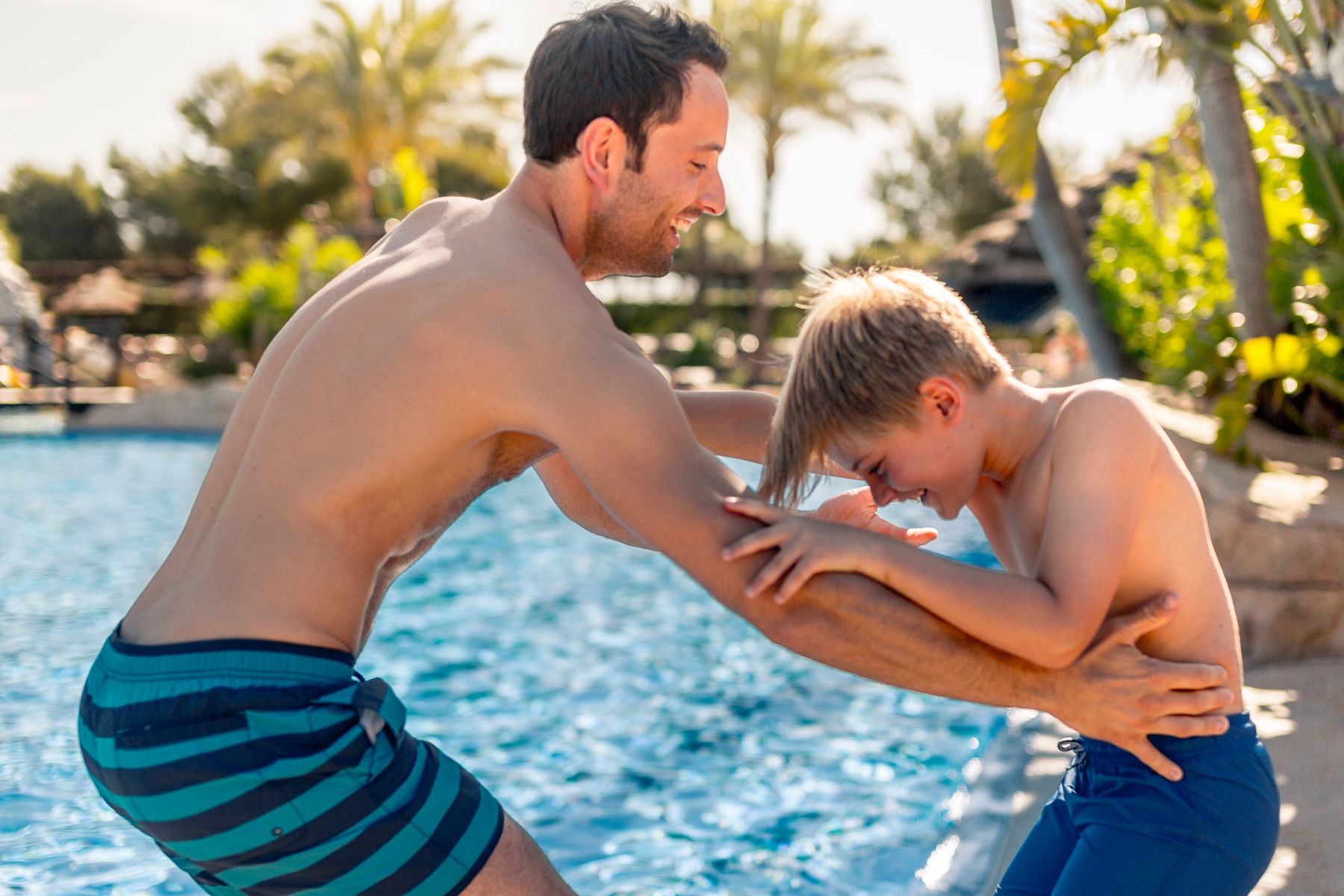
The biggest mistake I see brands make is treating directed and candid lifestyle photography as either/or choices. They're not. They're different tools that do different jobs, and honestly, the best campaigns I've shot use both.
When I'm shooting for a hotel client or a travel brand, I'm not just pointing a camera at people and hoping something authentic happens. I'm thinking about what the client actually needs on their website, their Instagram, their booking pages. That's where direction comes in. But I'm also watching for the real moments in between, because that's where the actual emotion lives.
Let me walk you through how I approach this and where each approach actually works.
What's the difference between directed and candid lifestyle shots?
Directed lifestyle photography means I'm positioning people, suggesting actions, and controlling the frame to tell a specific story. Candid means I'm watching, waiting, and capturing moments as they unfold naturally without direction. Directed gives you reliability and brand consistency; candid gives you authenticity and emotion.
I shot a campaign for TUI about two years ago where we did both across the same shoot day. The directed shots showed a family checking in, smiling at the front desk, unpacking luggage in the room. Those images work for the website because they're clear, well-lit, and they show exactly what the service looks like. But the candid shots, the ones I grabbed while the family was actually laughing and playing together when they weren't expecting the camera, those are the ones that got used most on their social media. They felt real.
The distinction matters because your audience can tell the difference, and they respond differently to each. Directed shots build trust through clarity and professionalism. Candid shots build trust through authenticity and relatability.
When should you use directed lifestyle photography?
Use directed photography when you need consistency, clarity, or when you're showing a specific service or product in action. This is your bread and butter for commercial campaigns, website imagery, and anything where you need the viewer to understand something specific about what you offer.
I use direction when the client has a clear brief: show the spa experience, show the meal service, show the check-in process. You can't leave those moments to chance. If I didn't direct the spa shots for a hospitality client, I might miss the key details, the therapist's hands, the guest's relaxed expression, the ambient lighting that makes the space feel special. Direction lets me control all of that.
For brands, directed lifestyle work is also more scalable. You can brief a client on what you're shooting, plan the shoot schedule, and know exactly what you're walking away with. I did a campaign for TUI last year where we directed about 60 percent of the shoot. Why? Because they needed to show specific destinations, specific activities, and specific emotions in a consistent way across their marketing suite. The directed shots were the backbone. They're reliable.
Direction also works when you're shooting in challenging environments. I shot a travel campaign in Iceland in December, and honestly, waiting for candid moments when it's minus five degrees and you've got two hours of daylight isn't practical. Direction let me work faster and smarter.
When does candid photography work better for lifestyle brands?
Candid photography works best when you want to show genuine human experience, real interactions, and the emotional truth of a moment. This is where your audience feels something, not just understands something.
I find candid work is essential for social media, behind-the-scenes content, and anything that's trying to build a genuine connection with your audience. A couple dancing at a destination wedding venue, a guest genuinely laughing during a meal, someone's actual reaction when they see their hotel room view for the first time. You can't direct those moments and have them feel real.
When I shot for Alzheimer's Research UK a few years back, the most powerful images were candid. The team working in the lab, concentrated and focused, wasn't something I'd ask them to pose for. Those moments had weight because they were real. That's what gave the campaign credibility.
Candid also gives you access to moments you literally wouldn't think to direct. I was shooting a lifestyle series in Portugal for a tourism board, and I caught a vendor at a market explaining something to a customer, and there was this genuine warmth in the interaction. I never would have directed that because I wouldn't have thought of it. That image ended up in their campaign materials because it felt more true than anything I could have orchestrated.
How do you actually blend directed and candid in one shoot?
The secret is pacing and rhythm. I structure a shoot day so that directed moments and candid moments aren't competing for time. They're in conversation with each other.
I typically start a shoot with a brief conversation with the client or talent about what I'm trying to capture. Then I'll shoot some directed setups, get those locked, and then I'll step back. I'll lower my camera, let the energy in the room relax, and just watch. The moment people think I've finished with them is usually when the best candid shots happen.
Greg Woodward is a London-based commercial photographer and director. I've been shooting lifestyle work since 2011, and honestly, the transition from directed to candid within the same shoot day is where most of the magic happens. The client's guard drops, the real expressions come through, and you've still got your solid directed imagery in the can.
For a hotel shoot, I might spend the morning doing directed shots in the spa, the restaurant, the rooms. By afternoon, I'm just shadowing guests naturally, letting them move through the space without explicit direction. That's when you get the vulnerability, the genuine pleasure, the moments that make people want to book.
The workflow means I'm shooting more frames than a purely directed approach, so editing becomes more time-intensive. But the library of content you walk away with is exponentially wider. And for clients like hotels and tourism boards, a rich, diverse content library across both directed and candid work is invaluable.
Why most lifestyle campaigns need both
Honestly, campaigns that rely entirely on one approach feel unbalanced. Pure direction can feel corporate and staged. Pure candid work, without any structured imagery, can feel chaotic and sometimes doesn't deliver on specific brand needs.
I've found that the best lifestyle campaigns use directed photography to establish what the experience is, and candid photography to show how it actually feels. Together, they tell a complete story.
If you're planning a lifestyle photography shoot and you're not sure whether to brief for directed or candid work, the answer is usually both. If you want to run through your specific project and work out what balance makes sense for your brand, drop me a brief through the contact page and I'll put together an estimate and a shooting approach that works for you.
Frequently asked questions
- Is candid photography cheaper than directed photography?
- Not necessarily. Candid photography often requires more shoot time and careful editing to extract the best moments. Directed work can be planned and executed efficiently, but both approaches have similar day rates. The difference is usually in how much content you generate and what kind of post-production time you need.
- Can you really get authentic candid moments on a commercial shoot?
- Yes, but it requires skill and patience. Authentic candid moments happen when the subject forgets the camera is there. This usually happens after directed work is complete, when energy relaxes and people stop thinking about how they look. It's why pacing matters.
- How much of a lifestyle shoot should be directed vs candid?
- It depends on your brief. For lifestyle and hospitality work, I typically aim for 50/60 percent directed, 40/50 percent candid. For pure commercial product work, it's higher direction. For documentary-style content, it's the reverse. The best approach depends on what your brand actually needs to communicate.
- What's more important for social media, directed or candid imagery?
- Candid typically performs better on social media because it feels more authentic and relatable. But directed imagery works well when you're introducing a new product or experience. Most successful brands post a mix of both.