How to brief a commercial photographer
Learn how to write an effective brief for a commercial photographer.
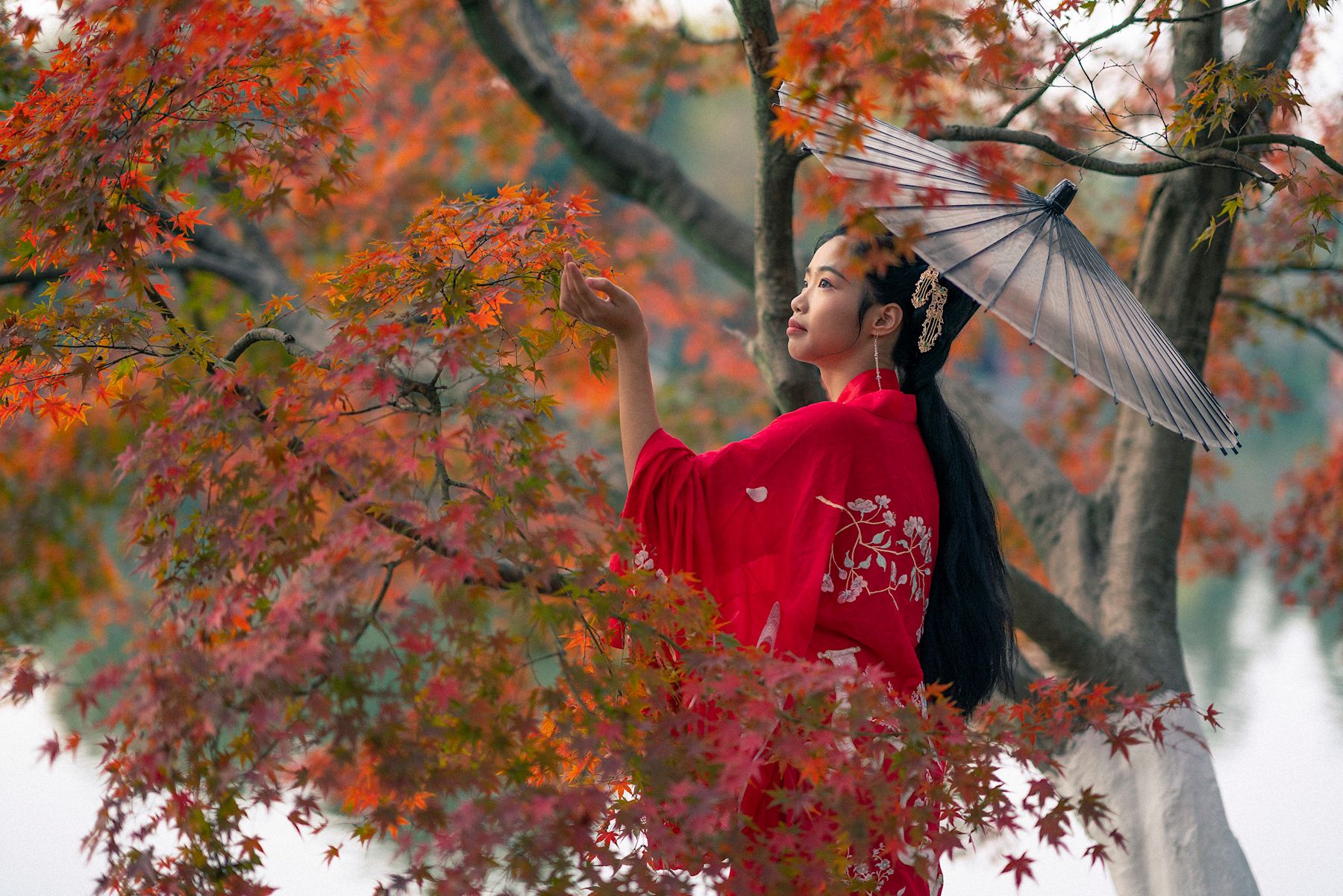
Knowing how to brief a photographer well is the difference between a shoot that nails what you need and one where everyone's guessing. I've shot campaigns for Team GB, TUI, and Hawes & Curtis since 2011, and honestly, the shoots that run smoothest are the ones where the client's given me a proper steer upfront. So here's how to do it.
What should a commercial photography brief include?
When you brief a photographer, the document should tell me three things: what you're trying to achieve, what that looks like visually, and how much time and money we're working with. At minimum, I need the campaign objective, a rough visual direction (mood board, reference images, or just "bright and energetic" versus "moody and corporate"), who's in the shots or what you're shooting, the deadline, and your budget ballpark. That's the skeleton. Everything else depends on your project.
I've turned down shoots because the brief was basically "we need photos of our office" with no context on why, who'd see them, or what the budget was. Conversely, I've had briefs from agencies that were three pages long with brand guidelines, reference boards, shot lists, and a detailed timeline. Both extremes can work, but the detail should match the complexity of the job.
The key is being honest upfront. If your budget's tight, say so. If the deadline's aggressive, tell me. That shapes everything from how I scope the shoot to what you can realistically expect back.
How detailed should shot lists be?
Shot lists are useful, but they work best as a guide, not a script. I typically ask for 15 to 20 key shots rather than 150, because once we're on set, I'm seeing light, angles, and moments you can't predict in a boardroom. If you've specified "lifestyle image of woman at desk with laptop, warm sunlight from left, candid smile", that's helpful. If you've listed every single frame with pixel-perfect specifications, we're going to have friction.
What I've found works is a hierarchy. Give me your must-haves (the three or four shots that absolutely have to happen), your nice-to-haves (the supporting images that strengthen the campaign), and then trust me to fill in the gaps. When I shot a product campaign for a homeware client in 2021, they gave me ten key shot types but were open to variations in composition, styling, and environment. We ended up with 200 usable images from that brief, and they got more value than if they'd locked down every angle.
Also, separate your "content" shots from your "hero" shots. Hero shots are polished, directed, often with art direction or styling. Content shots can be more candid, looser, faster to produce. I usually shoot both in a single day, but the brief needs to make that distinction clear.
What's the best way to communicate budget to a photographer?
Just tell me. Don't dance around it. I've quoted work anywhere from £650 + VAT for a half-day shoot to £10,000+ for a campaign. When an agency or client gives me a ballpark upfront ("we've got £2,000 to £3,000 for this"), I can immediately tell them what's realistic within that range.
Honestly, most brands overspend on contingencies and underspend on pre-production. If you've got £5,000, I'd rather spend £500 on a proper location scout and mood board session than have £500 sitting as "just in case" money. That prep time translates to a smoother shoot and better output.
Be clear about what's included in your budget too. Does it cover travel? A producer? Props and styling? How many revisions of the final images? When I put together an estimate, I break those things out so you're not surprised later. If you want a rough idea of cost for your project, drop me a brief through the site and I'll put together an estimate that spells it all out.
Also, if you're working through an agency and they're taking a cut, say so. I've got a standard rate, but I appreciate agencies need margin too. I'd rather negotiate transparently upfront than find out halfway through.
How much creative input should the client keep?
This is where it gets tricky. My job is to execute your vision, but I'm also bringing experience and a point of view. When I shot for Alzheimer's Research UK, they had a clear campaign brief but left room for me to suggest locations and styling that I knew would work on camera. That collaboration made the shoot faster and the results stronger.
I usually work like this: you own the strategic direction (what you're selling, who you're speaking to, the core message). I own the visual execution (composition, lighting, moment, pacing). We should both have a say in casting, styling, and location because those sit in the middle.
The worst attempts to brief a photographer are the ones where a client hands over a reference board of shots they want me to literally copy. That's not photography, that's replication, and it usually costs more because I'm fighting the location and light instead of using them. The best briefs set the boundaries and then let me do what I'm trained to do.
Set a creative director or a single decision-maker too. If I'm getting feedback from five different stakeholders with five different visions, the shoot will stall. I've worked with brands where the marketing manager briefs me, but then the CEO shows up on set with different ideas. Agree internally first, brief me once.
How far ahead should you book a commercial photographer?
Depends on what you're shooting. A simple product shoot or corporate headshots can often happen in two to four weeks. A campaign with location scouting, prop sourcing, and casting might need six weeks to three months. International travel shoots need longer still.
I've managed back-to-back shoots in the same week because the brief was straightforward and the client was organised. But I've also had projects pushed back because the brief kept changing or the production wasn't locked. So booking time isn't just about the photographer's calendar, it's about allowing enough runway for proper planning.
Honestly, the way I treat shoot days is that it's another day I can't take on anything else, whereas editing I can work around my schedule. So if you've got a specific date you need to hit, give me the heads-up early so I can protect that time. If you're flexible on timing, we can often work something out.
As of 2026, I'm typically booking weeks to months ahead for corporate work, but shorter timelines are possible if the scope's manageable and you're willing to be flexible on dates.
What should you ask about a photographer's process?
Understand how they work. How many images will you get? Will they be edited, and to what level? How long does post-production take? What format do you get them in? Can you use them indefinitely, or is there a licence term?
I usually deliver a large library of images (anywhere from 100 to 1000 depending on the shoot length) that are all edited and colour-graded consistently. But some photographers deliver contact sheets and let the client choose selects. Some charge extra for retouching. Some include usage rights for web only; others for unlimited use.
Also ask about their team. Are they shooting solo or with an assistant? If it's a video + photography job, are they doing both or bringing in a videographer? When I shoot campaigns, I often bring a producer to manage talent and logistics and sometimes a second camera operator. That's different from me showing up alone with a camera, and it changes the cost and the deliverables.
As a London-based commercial photographer and director, I produce photography and video from a single production, which means clients get one crew, one visual language, and a wider library of content. That's a specific workflow, and some clients need that, others don't. Ask what the photographer's setup is so you're not surprised.
How do you handle changes mid-shoot?
Build flexibility into the brief, but also set boundaries. I'm happy to pivot if the light changes or we discover a better location or a different angle works better than planned. That's problem-solving in real time, and it's part of what you're paying for.
What I can't accommodate easily is a complete direction change on the day. If you briefed me on "corporate and professional" and then ask for "playful and energetic" when we're halfway through, we're stopping, relighting, restyling, and essentially doing two shoots. That adds time and cost.
Communication during the shoot helps. If I'm working with a producer or a brand rep on set, we can flag decisions early. When I shot a hospitality campaign for a hotel group in 2022, the client had someone there to approve setups as we went, so by the end of the day, we'd already signed off on the work. No surprises, no big revisions.
If changes come after the shoot, in post-production or after delivery, be clear about what's included. Most photographers include a reasonable number of edits (retouching, slight colour shifts, that sort of thing) but charge for major rework like removing elements, recomposing images, or shooting more content.
What's the difference between a good brief and a poor one?
When you brief a photographer well, it gives me context. A poor one gives me instructions. Context is: "We're launching a new sustainable fashion line, targeting environmentally conscious millennials, and we want to show how the product integrates into everyday life." Instructions are: "Make it look like the Pinterest board I sent."
A good brief has a clear objective and trusts me to deliver it. A poor one second-guesses every decision and asks for constant alternatives. A good brief locks the scope and budget upfront. A poor one keeps adding "one more thing."
I've worked with agencies that send a one-page brief and a mood board, and the shoot runs like clockwork. I've worked with brands that send a 20-page document with conflicting notes from different departments, and we spend half the day clarifying what we're actually doing.
The best advice I can give is to do your internal alignment before you approach a photographer. Agree on what you're trying to achieve, who your audience is, what success looks like, and roughly how much you want to spend. Then brief the photographer once, clearly, and give them room to work.
If you're starting to scope a commercial shoot and you're not sure how much detail to include in your brief, get in touch. I'm happy to run through what I need on a call, and that conversation usually saves time and money down the line.
Greg Woodward is a London-based commercial photographer and director. If you want help putting a brief together, drop me a message through the contact page and I'll walk you through what I need to get started.
Frequently asked questions
- How long does it take to get photos back after a commercial shoot?
- Typically two to three weeks for standard edits and colour grading. Shorter turnarounds are possible for urgent work, but that usually costs more. Complex retouching or large batches can take longer.
- Can I use commercial photos for different purposes than originally briefed?
- Usually yes, but it depends on the licence in your contract. Most commercial shoot agreements include broad usage rights, but some have restrictions (web only, one campaign, etc.). Always check before repurposing.
- What happens if I'm not happy with the results?
- A good brief and clear communication prevent this, but revisions are usually included to a point. Major rework or reshoot requests typically have additional fees. Discuss terms upfront.
- Should I provide a mood board, and what should it include?
- Yes, a mood board is helpful. Include reference images that show the look you're going for, colour palette, styling, locations, and tone. It doesn't need to be fancy, just clear visual direction.