What does commercial photography cost in the UK?
Commercial photography in the UK typically costs £800-£3,000+ per day depending on photographer experience, location, and project complexity.
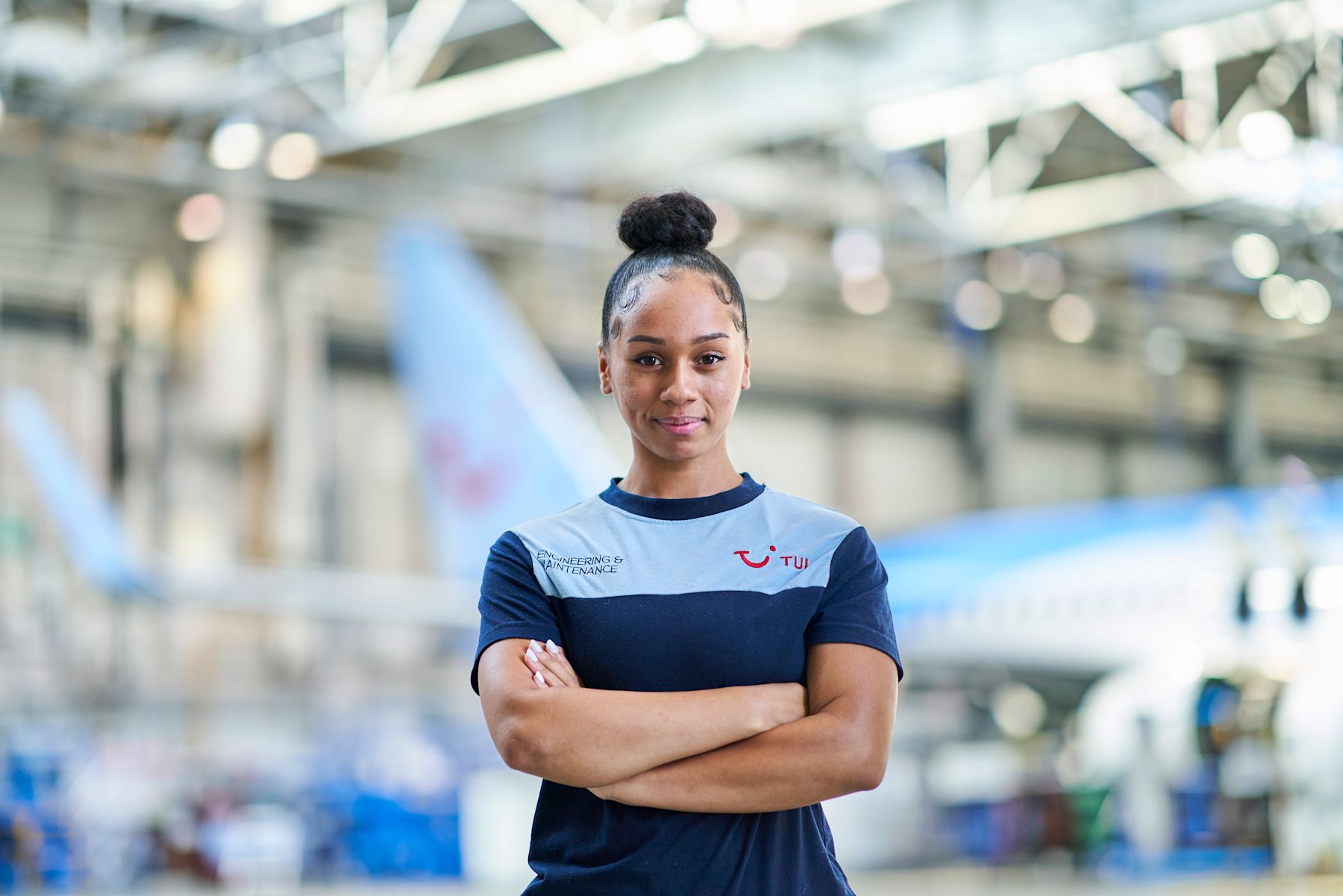
Commercial photography cost in the UK typically ranges from £800 to £3,000+ per day, depending on the photographer's experience, location, and the complexity of your shoot. But that's just the day rate. There are other costs involved, and honestly, a lot of brands underestimate them when budgeting.
I've been shooting commercially since 2011, working across the UK and internationally for clients like Adidas, TUI, and Grosvenor Hotels. And what I've learned is that the day rate is only part of the conversation. Most people want to know the total cost, so let me break down how this actually works.
How much do commercial photographers charge per day in the UK?
A day rate for commercial photography in the UK typically starts around £800-£1,200 for an experienced photographer in a regional market, and goes up to £2,000-£3,500+ for established London-based professionals with strong portfolios. Rates depend heavily on your track record, the type of shoot, and whether the client is an agency or direct.
When I quote, I'm pricing against what I can't do that day. So if I'm booked for a shoot, I can't take on any other work. That's a full business day gone. For me specifically, that's reflected in my day rate. But for a photographer starting out, they might charge £500-£800. For someone with major commercial credentials, it could easily be £4,000+.
I've seen agencies try to negotiate down from standard rates because they're taking a margin on top. The point is, you get what you pay for. A photographer charging £350 a day isn't doing the same work as someone charging £2,000. They might produce decent shots, but they're probably less experienced with complex shoots, brand strategy, or managing difficult on-set situations.
What additional costs should you budget for?
Beyond the day rate, you'll typically pay for assistant fees, location costs, equipment hire, props, and editing time. These can easily add £500-£2,000+ to your total project cost, sometimes more.
On top of the photographer's day rate, here's what usually comes up:
Assistants and crew: If the shoot needs a second pair of hands or a stylist, that's another £150-£600 per person per day. For bigger productions, you might need a producer, makeup artist, or lighting technician. Each adds cost.
Location fees: Some venues charge for filming or photography. Hotels typically ask for a location fee (usually £300-£800 for a few hours), and private properties can vary wildly.
Equipment and kit: Most photographers include basic gear in their day rate. But if you need specialist lighting, drones, or 4K cinema cameras, that's a kit hire fee on top. Could be £200-£600.
Editing and post-production: This is where people get surprised. If you're shooting, say, 50 product photos or a full day of corporate content, the editing time can match or exceed the shoot day itself. I typically quote post-production separately. Expect £400-£1,500 depending on the volume and complexity.
Travel: Anything outside Greater London might involve mileage or overnight costs. Those come on top too.
Basically, a £1,000 day rate might realistically total £2,500-£3,500 once you factor in everything.
Does it cost more to hire a commercial photographer in London?
Yes, London-based commercial photographers typically charge 30-50% more than regional alternatives because of the city's higher cost of living and client budgets. However, London photographers often have more high-end agency and corporate work on their books, so they can command premium rates.
Greg Woodward is a London-based commercial photographer and director, and I've worked across the UK and internationally since 2011. Being London-based does mean my rates are higher than a photographer based in, say, Manchester or Bristol. But there's a reason. London clients expect a certain standard, and they're usually paying for it because they know what they need.
The trade-off is this: a London photographer is more likely to have worked on major brand campaigns, understand agency workflows, and manage complex multi-day shoots. That experience has value. But if you're a regional business doing local product photography, you might genuinely get better value from a photographer in your area.
I've quoted clients where the location's nowhere near London, and I've given them a day rate that includes travel. Other times, if it's a bigger project, the budget justifies me being on-site. It's worth asking about travel costs upfront rather than getting surprised later.
How do usage rights affect commercial photography pricing?
Usage rights determine where and how you can use the final images, and they significantly impact commercial photography cost. Exclusive commercial rights, where you own unrestricted use, typically cost 50-100% more than standard editorial or limited-use licenses.
This is critical and often misunderstood. When you hire a photographer, you're not always buying unlimited rights to the images. Here's how it typically works:
Limited rights (editorial or internal use only): You can use images for one campaign, one market, one year. This is the cheapest option and is standard for a lot of agency work. Maybe 20-30% discount to the day rate.
Exclusive commercial rights: You own the images outright. The photographer can't license them elsewhere or use them in their portfolio. This costs significantly more. Add 50-100% to your day rate.
Buyout: You own everything, forever, everywhere. That's premium pricing. Often requires a substantial increase on top of the day rate.
When I quote a job, usage rights are a core part of the conversation. A client who wants to use images across multiple markets or in perpetuity will pay more than someone who needs them for a six-month campaign. That's fair because I'm giving up the ability to license or repurpose that work.
If you're unsure what you actually need, it's worth thinking about how long the campaign runs and where the images will appear. That drives the cost conversation.
What's the cost difference between product and corporate photography?
Product photography is typically £600-£1,500 per day because it's more controlled and repeatable, while corporate or documentary photography costs £1,000-£3,000+ per day because it requires more directional skill and can't be as easily batched.
Product shoots are usually studio-based, controlled lighting, consistent setup. You can shoot 20-40 products in a day because the variables are minimal. That efficiency gets reflected in the cost. It's still skilled work, but it's systemised.
Corporate or editorial shoots are different. You're covering an event, an interview, a day in someone's life. You need to anticipate moments, manage people, adapt to changing light and situations. That can't be rushed. And if something goes wrong, you can't re-setup and shoot it again tomorrow like you can with a product. That risk and skill level justifies higher rates.
I love shooting food and product, so very much up my street, but I charge differently for it than I do for a corporate narrative shoot because the requirements are fundamentally different.
How does project scope affect the total cost?
Project scope affects cost exponentially. A half-day shoot with one assistant costs less than a three-day production with a crew, but the day rate alone doesn't show the full picture. Multi-day shoots often have daily rate discounts, while complex productions add crew, equipment, and logistics costs.
Honestly, most brands overspend on the day rate when they should really be thinking about the total production cost. Here's the reality: if I'm shooting for two days instead of one, I might reduce my daily rate by 10-15%. That's fair because I'm getting continuity and predictability. But a three-day shoot with location scouting, a producer, a second camera operator, and location fees? That's a different conversation entirely.
For a campaign I shot for a hospitality client, the budget included five days across three locations. That meant reduced daily rates but added crew costs, location fees, and logistics. The total project cost was roughly 2.5x what five days at full rate would have been, but the client got a complete visual story rather than isolated shoots.
If you're budgeting for a bigger project, get a scoped estimate rather than just asking "what's your day rate". If you want a rough idea of cost for your project, drop me a brief through the site and I'll put together an estimate that includes everything.
Are there cost savings if you combine photography and video?
Combining photography and video on a single production typically costs 20-35% less per deliverable than booking separate shoots because you're using one crew, one location day, and one visual setup to generate both formats.
This is actually one of my core things. I shoot both photography and video from a single production. So clients get one crew, one visual language, and a wider library of content. The math is simple: instead of paying a photographer for a day and a videographer for a day, you pay for one production that delivers both.
You get efficiency, consistency, and genuinely better value. Instead of explaining your brief twice, managing two separate crews, and trying to match shots across two different production styles, everything comes from the same source material and the same visual thinking.
For most brands, this makes sense. You need photography for your website, social, print. You need video for campaigns, social, events. Why not produce both together?
---
The bottom line on commercial photography cost: shooting in the UK isn't expensive because photographers are greedy. It's expensive because you're paying for experience, equipment, time, and the risk they take on. And most projects cost more than just the day rate because there's a lot that happens before and after you press the shutter.
If you're planning a shoot and need to understand commercial photography cost better, the best thing to do is talk through what you're actually trying to achieve. Different projects need different approaches, and the cost should reflect that.
Frequently asked questions
- What's included in a commercial photographer's day rate in the UK?
- A day rate typically includes the photographer's time on set, basic camera and lighting equipment, and delivery of edited images. Travel, assistants, location fees, and additional crew aren't usually included. Always confirm what's included when you get a quote.
- How much does a commercial photography shoot cost in London?
- A full-day commercial shoot in London typically costs £1,500-£3,500+ including the photographer's rate, assistant fees, and basic post-production. Total project costs often reach £2,500-£4,500 once location fees and editing are factored in.
- Do commercial photographers charge more for exclusive rights?
- Yes. Exclusive commercial rights cost 50-100% more than standard or limited-use licenses. Full buyout agreements (where you own the images forever) command premium pricing. Usage rights should always be part of your quotation discussion.
- Is it cheaper to hire a regional photographer instead of a London-based one?
- Regional photographers often charge 30-50% less than London-based professionals. However, London photographers typically bring more high-end commercial experience. Choose based on project complexity and your budget, not just location.